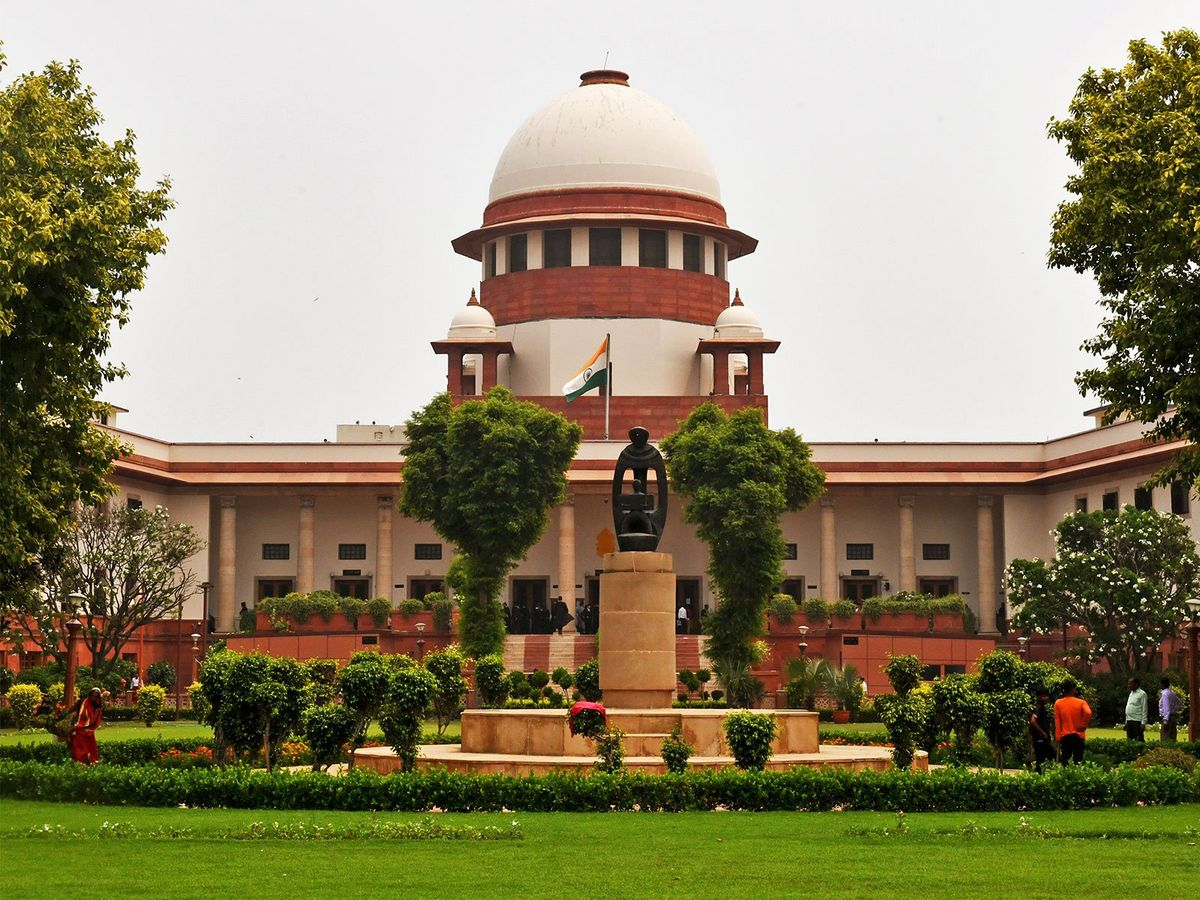
The Supreme Court on Friday refused to entertain a PIL seeking a uniform national policy granting menstrual leave to women students and working professionals. The court observed that making such a benefit compulsory could unintentionally reinforce stereotypes and potentially deter employers from hiring women. A bench led by Chief Justice Surya Kant and Justice Joymalya Bagchi said the request may have adverse effects on women’s employment opportunities. Addressing the petitioner’s plea, the bench remarked, “These pleas are made to create fear, to call women inferior, that menstruation is something bad happening to them. This is an affirmative right. But think about the employer who needs to give paid leave.” The judges highlighted that although menstrual leave acknowledges a legitimate issue, mandating it through legislation could backfire socially and professionally.


The Supreme Court on Friday refused to entertain a PIL seeking a uniform national policy granting menstrual leave to women students and working professionals. The court observed that making such a benefit compulsory could unintentionally reinforce stereotypes and potentially deter employers from hiring women. A bench led by Chief Justice Surya Kant and Justice Joymalya Bagchi said the request may have adverse effects on women’s employment opportunities.  Addressing the petitioner’s plea, the bench remarked, “These pleas are made to create fear, to call women inferior, that menstruation is something bad happening to them. This is an affirmative right. But think about the employer who needs to give paid leave.” The judges highlighted that although menstrual leave acknowledges a legitimate issue, mandating it through legislation could backfire socially and professionally.
March 13, 2026

The Supreme Court on Friday refused to entertain a PIL seeking a uniform national policy granting menstrual leave to women students and working professionals. The court observed that making such a benefit compulsory could unintentionally reinforce stereotypes and potentially deter employers from hiring women. A bench led by Chief Justice Surya Kant and Justice Joymalya Bagchi said the request may have adverse effects on women’s employment opportunities.

Addressing the petitioner’s plea, the bench remarked, “These pleas are made to create fear, to call women inferior, that menstruation is something bad happening to them. This is an affirmative right. But think about the employer who needs to give paid leave.” The judges highlighted that although menstrual leave acknowledges a legitimate issue, mandating it through legislation could backfire socially and professionally.

X